In loving memory
The Story of Ruben
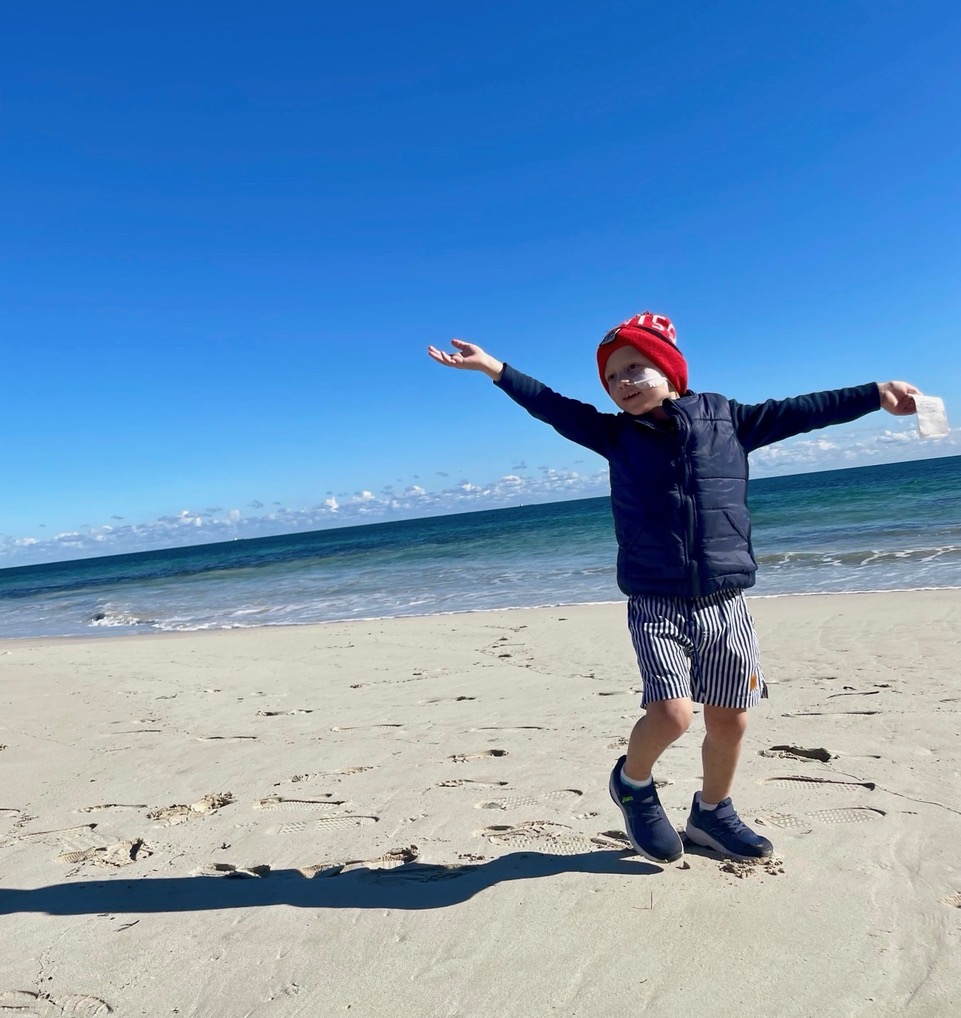
A barefoot explorer. A future astronaut.
A little boy loved beyond words.
Before Ruben was born in 2019, he was already deeply loved. During pregnancy, we chose not to find out whether we were having a boy or a girl. Instead, we called our baby “little Joey” (like a baby kangaroo). Like most parents, we imagined a lifetime ahead of us: adventures together, laughter and fun moments, watching him grow, and a long, happy life surrounded by family and love.
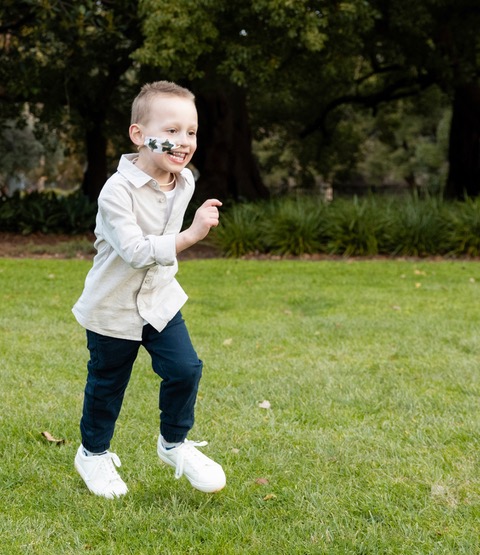
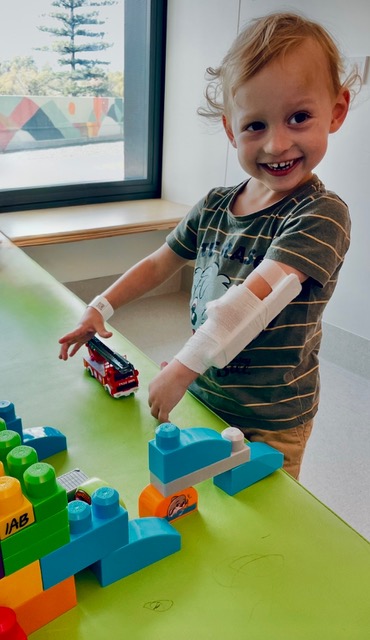
Ruben was an absolute joy. And his cheeky lopsided smile brightened any room.
A little boy full of wonder
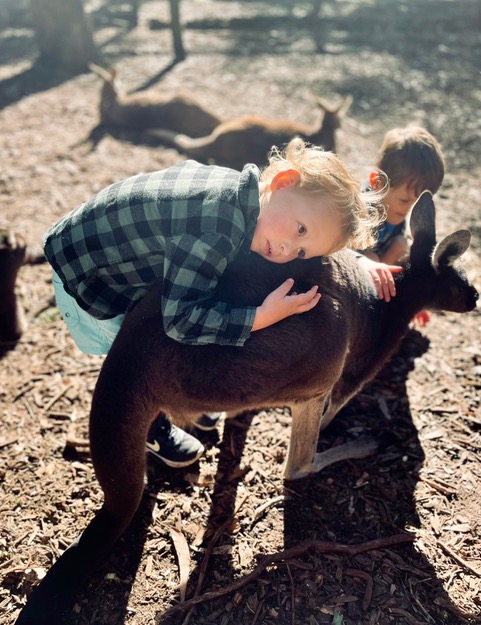
He was happiest barefoot outside, his feet touching the earth, exploring every corner of the nature around him. He loved the beach, camping, climbing, digging, building towers, and searching the night sky for stars and meteors.
His imagination was endless. One moment we were fighting pirates on ships, the next we were deep in the jungle escaping dinosaurs and snakes, battling ghosts and zombies, or building castles and forts.
He danced to every beat he heard, whether at home or out in public. The water drew him in constantly—beach, river, pool. If there was water nearby, you had to watch him closely because he would dive straight toward it.
When people asked what he wanted to be when he grew up, the answers usually centred around being an adventurer, an explorer like Bear Grylls, an astronaut, or a scientist.
His favourite colour was blue, like the ocean and the sky.
When things began to change
Before he became unwell, Ruben was a happy little baby boy. Always smiling, moving, and exploring. But slowly, things began to change.
From the age of 10 months, Ruben began experiencing persistent fevers, infections, painful rashes covering his limbs and face, mouth ulcers, chest infections, and unexplained skin flare-ups. We were told many of these illnesses were “daycare bugs.”
We presented to the Children’s Hospital Emergency Department with concerns about his breathing, but he was discharged with what was believed to be a simple viral infection. On another occasion, we were told he had hand, foot and mouth disease and tonsillitis. Each time, we left the hospital feeling unheard and uncertain. No referrals were made.
As time went on, the symptoms continued to grow. Ruben experienced regular fevers, recurring rashes and painful welts, infections, mouth ulcers, nosebleeds, persistent coughs, chest infections, and periods where he was simply miserable and exhausted.
We returned to our GP time and time again, searching for answers. At one point, we began wondering if perhaps we were overreacting, as the doctors kept reassuring us that “all toddlers get sick.” But our instincts kept telling us there was something more going on.
At 18 months old, Ruben suffered a febrile convulsion. By mid-2022, we asked our GP for a referral to a paediatrician because we knew in our hearts something wasn’t right. A referral was submitted, but the waiting time was around six months.
November 2022
After our family contracted COVID, Ruben initially appeared to recover. Then, one evening a week or so later, he had been jumping on the trampoline and playing outside happily. But during his bath that evening, we noticed bruises appearing across his body, alongside a strange red rash of tiny dots spreading across his skin.
The following morning, the rash had worsened dramatically.
A colleague recognised the rash as petechiae and urged us to go straight to the Children’s Hospital Emergency Department. We thought perhaps it could be meningitis or something similar. Instead, before blood results had even returned, doctors warned us to prepare for the possibility of leukaemia.
Ruben’s platelet count was just 2.
He was admitted to hospital and diagnosed with Immune Thrombocytopenic Purpura (ITP). Steroids were started and we were discharged with plans for ongoing monitoring. But the months that followed brought more admissions due to him being unwell, more abnormal blood results, and more diagnoses: Warm Autoimmune Haemolytic Anaemia, neutropenia, and Evans Syndrome.
Still, none of it completely fit. By March 2023, doctors recognised Ruben’s symptoms and presentations were unusual and did not fit with the above-listed diagnoses. The Immunology Department became involved and broader testing was arranged. Bloodwork was sent overseas to the United States for further investigation.
Finally, a diagnosis
In May 2023, we finally received the diagnosis: DADA2—Deficiency of Adenosine Deaminase 2. A disease so rare that he was the only known person with it in Western Australia.
DADA2 is an ultra-rare disease that can affect the blood vessels, bone marrow, and immune system, placing children at risk of strokes, severe infections, inflammation, and organ damage.
We were suddenly navigating an ultra-rare disease with limited research, little awareness, no established support pathways in Australia, and few people who understood what we were facing. DADA2 can mimic many other diseases, including haematological conditions, autoimmune disorders, immune deficiencies, and inflammatory conditions. This explained the long and confusing path to diagnosis.
We learned that DADA2 could affect blood vessels, bone marrow, the immune system, and place children at risk of strokes, severe infections, inflammation, and organ damage. Ruben showed signs affecting nearly every aspect of the disease.
We were told the best chance for long-term survival would likely be a stem cell transplant, also known as a bone marrow transplant.
Life changed completely. Our world became smaller and more isolated as we tried to protect Ruben from infections that could become life-threatening. Simple childhood experiences—birthday parties, crowded events, Kindy, gatherings—became impossible. Our home transformed into a place of constant sanitising, monitoring, medications, appointments, blood tests, and hospital stays.
Yet through it all, Ruben remained Ruben.
Courageous. Curious. Playful. Gentle. Full of wonder.
We quickly realised we would also need to become his advocates. Because DADA2 was so rare, there was no clear template for care or support. Many medical professionals had never encountered the disease before.
We searched desperately for information, contacted rare disease organisations, reached out internationally to the DADA2 Foundation, and tried to connect medical teams together so knowledge could be shared.
The transplant journey
In July 2023, Ruben was referred to the Children’s Hospital Bone Marrow Transplant and Cellular Therapy Team, and the search for a stem cell donor began.
His little sister Rosie, only two years old at the time, was tested first, though she was not a match. Months passed with no suitable donor found nationally or internationally. Eventually, Ruben’s uncle was identified as a partial match (haploidentical) and agreed to donate his stem cells. It gave us hope.
In February 2024, we entered hospital preparing for Ruben’s transplant journey. But almost immediately, complications arose and the transplant had to be delayed due to dangerous liver results.
Finally, in March 2024, Ruben received his first stem cell transplant. He remained isolated in hospital for 80 days.
Despite the incredible efforts of the transplant teams, Ruben’s fighting spirit, and the generosity of his uncle’s donation, the transplant was unsuccessful. We returned home with Ruben facing ongoing blood transfusions and IVIG, infections, reactions, medications, clinic appointments and admissions, and the devastating reality that another donor search needed to begin.
In September 2024, another donor was identified. Ruben underwent his second stem cell transplant in November 2024.
Through every procedure, every needle, every transfusion, every setback and complication, Ruben showed extraordinary courage far beyond his years. Ruben spent 255 days on the ward at the Children’s Hospital during his second transplant.
In July 2025, after fighting so incredibly hard, we unexpectedly said goodbye to our beautiful boy following complications from DADA2 and the stem cell transplant.
He was only five years old.But even in the deepest grief, Ruben’s story continues.
Ruben’s story continues
This inaugural DADA2 Awareness Day exists because DADA2 deserves recognition. Because families deserve answers sooner. Because medical teams need greater awareness and collaboration. Because no parent should have to fight so hard to be heard.
Because earlier diagnosis, improved treatments, stronger research, access to screening, and better support networks could change lives.
And because Ruben mattered.
He was never just a diagnosis. He was a little boy who loved the ocean and the stars. A barefoot explorer. A future astronaut. A pirate fighter. A dinosaur lover. A helper. A brother.
A son cherished beyond words.